Showing posts with label Carol Newman Cronin. Show all posts

Friday, October 8, 2010

Some Thoughts on Thinking (and Selling) Outside the Bookstore Box by Carol Newman Cronin

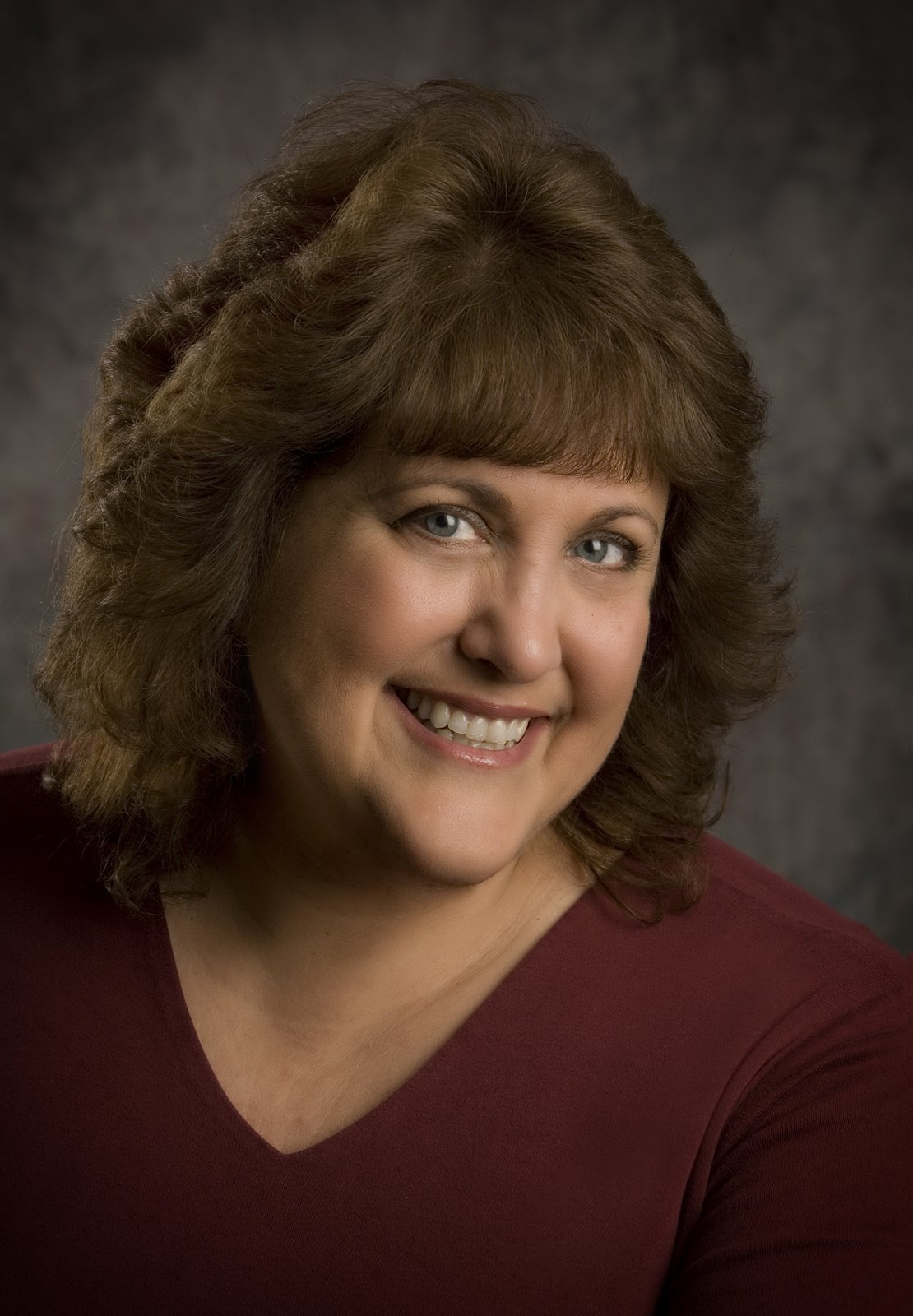
Note: This guest post is by Olympic sailor and author, Carol Newman Cronin, who sailed for the U.S. in the 2004 Olympic games in Athens and has written two fabulous young adult novels: Oliver's Surprise and Cape Cod Surprise. Read what Carol has to say about selling books in places other than a bookstore, and then vist her website: www.carolnewmancronin.com and her blog: Where Books Meet Boats. -PM

Boats Meet Books in Newport:
Five tips for selling books in non-traditional venues

“Author’s Corner - what’s that?”
“You wrote these books yourself?”
“What age group are they meant for?”
“Where do I find a bathroom?”

Those are just a random sampling of the many questions I answered this past weekend at the Newport International Boat Show. Probably not the first place you would think of for book selling, but it turned out to be a great venue for my two Surprises www.carolnewmancronin.com/books.htm. With abundant sunshine and temps in the 70’s, the weather was perfect for boat gawking out on the docks. And once they’d overcome their own Surprise at seeing books - real books - on a boat show booth table, many of the people pouring down the aisles of Tent C were eager to buy some nautical fiction.

The Author’s Corner is a booth provided for those lucky few who are asked to give seminars during the four day event. My seminar (entitled “Where Books Meet Olympic Spirit”) took place before lunch every day, and whether it was because people weren’t yet ready for a sit-down break from boat gawking or due to the vague title, attendance was, well – poor. But sales in the booth were brisk, making the entire effort well worth it.

I had been dreading sitting inside a tent over a beautiful September weekend, and I certainly took several breaks on Thursday and Friday to wander the show and catch up with all my marine industry buddies. But over the weekend, I was simply too busy to get antsy. Handing out bookmarks to anyone who looked like a reader (and US Sailing Team Alphagraphics stickers to all the kids), talking about writing and sailing with those interested enough to stop and chat, and – best of all – signing the books once I’d made the sale; I enjoyed it all more than I expected.

After four days of refining my pitch, I can definitely pass on a few pointers about non-traditional bookselling.

1. Find something in common with the person, and talk about that.
It’s pretty safe to assume that anyone who walks in the door of a bookstore is a reader. I couldn’t make the same assumption about the people walking down the aisle of Tent C, but I could make a different assumption: they were most likely interested in boats (or at least, interested in SOMEONE who was interested in boats). That gave us something to talk about besides the books for sale.

I quickly learned to watch darting eyes, to see if they were caught by the sight of books piled up on a table. Readers notice books; flagging down everyone else by waving a bookmark (or tripping them up) probably wasn’t going to lead to a sale.

2. Create a visually appealing booth that makes it clear what you’re selling.
Since I don’t do many trade shows, I don’t have a lot of big banners that draw in customers. Most people didn’t quite understand what an “Author’s Corner” was right away; it would’ve been very helpful to have a background display that clarified our bookselling/author roles.

Saturday and Sunday our table’s visual appeal was greatly helped by the addition of a large hardback called Steam Coffin.

Author John Lawrence Busch eagerly told anyone who even glanced at his beautiful cover about the first transatlantic steamship. His enthusiasm was infectious, and some of his listeners also bought copies of my books.

Our other booth mate was Captain Graybeard, a boat show veteran who was hawking a wide variety of books, electronics, and weather information – and giving away a free catalog on CD. The world famous cruiser Don Street also made appearances, in between seminars and his visits to the beer tent. So we had something for everyone - softcover fiction, hardcover history, electronic self-help, and nautical legend all represented in the same booth. But many thought we were all selling all of our wares together, rather than independently.

3. Have something to give away that’s easy to carry.
For me, bookmarks work very well as a way to engage people – and I ran through my entire supply. Frequently someone would glance at our table but wouldn’t actually stop until I offered a bookmark. Some just said “thanks” and kept walking, but most would come back to the table and take a second look at what I had to offer. And many of those eventually turned into sales.

4. Have a “special.”
People love to feel like they’re getting a deal when buying at a show, so it’s important to have a special offer. For me it was “Boat show special - two books for twenty bucks.” Only a few people realized they could also buy one for ten bucks…

5. Avoid the hard sell.
There is a well-known parable about the wind and the sun, each trying to get a man to remove his coat. The wind blows hard and then harder, but all that happens is the man clutches the coat tighter to his body. Then the sun comes out, and once the man is warm and happy he gladly takes off his coat.

We’ve all been verbally assaulted walking through a trade show, the human equivalent of the wind blowing harder and harder. After four days of watching my booth mates and the other booth operators around me, I tried to be more like the sun and make people happy. Once I got someone’s attention with a bookmark and had given a very short overview about the books, I asked a question about their boat or where they lived. I haven’t met a boat owner yet who doesn’t like to talk about his or her vessel, and I also enjoyed hearing about all the different ways people work and play on the water.

Selling doesn’t have to be hard. And boat shows, as it turns out, don’t have to be awful – they can be a great chance to find yet another link between boats and books.

Monday, April 12, 2010

Book Marketing 101: Ten Tips for New Authors

I’m often asked by debut authors what they can do on their own to promote their books. Assuming they’ve written the best books they possibly can and built their platforms as much as possible, here are my top ten recommendations for first-time authors with a new book to sell:

1. Write a dynamite press release and post it on free news wire sites.
I usually won’t call a bookseller or a media contact until I have the following at hand: a headshot of the author, a jpg of the book cover art, an author bio, and a press release. Of all of these items, the press release is the most important. Why? A good release is like a complete news article: it contains the title of the book, the ISBN number, the release date, and any other relevant information about the book itself, along with a brief description of the book, a quote from the author, and a one-paragraph bio that includes the author’s background, relevant expertise, and any awards or achievements tied to the book. If you write it well, media experts with little time and news slots to fill will often publish it verbatim, along with any photographs you send.
Once you’ve created your release, be sure to place it on online news wires for distribution. There are a number of free sites where authors can post releases (two of my favorites are www.free-press-release.com and www.briefingwire.com).
2. Create a website.
I’m amazed at the number of authors I meet who don’t have a website for either themselves or their books. A website is like an electronic business card – it functions as a place where readers, booksellers, and media persons can return to find more information about you and your book, including contact and sales information. Many authors who are published by small presses think it’s okay to have their book listed on their publisher’s website. That’s fine, but I still think it’s important that each book have a web presence all its own. If cost is an issue, there are many low cost and free website services available online; look for sites that offer good telephone support and are easy to update and maintain.
3. Create a blog.
One of the most powerful ways to let readers know about your book is to create a blog and update it regularly. Your blog can be about anything: your thoughts on writing, your book and events connected with it, your next book, etc. The important considerations are to a.) give your readers something to think about or some information they can use, b.) blog often, and c.) be sure to comment on other blogs with links back to your website and blogsite.
4. Make yourself known on social networking and reader sites.
Although this can be time-consuming, it costs nothing and is easy to do. Create a Facebook and Twitter page for either yourself or your book and spend time cultivating relationships and inviting friends to join. Look for ning.com sites that are related to your book or to writing in general and list your book there. Likewise, explore sites like Goodreads, Red Room, LibraryThing, Booktour.com, etc., and do your best to stay current with other reading and writing sites that offer opportunities to tell readers about your book.
5. Work your niche.
If you’ve written a book that is of interest to a specialized group of readers, be sure to capitalize on that as much as possible. Whether its genre fiction like romance, fantasy, or mystery, or non-fiction targeted to a specific audience, having a niche can present unlimited opportunities for marketing your book. Create lists of websites, groups, professional organizations, festivals, conferences, etc., that are oriented toward your book and make contact with each of them to see what marketing opportunities they might offer.
6. Work your local booksellers.
Even if you’ve self-published, your local booksellers can be the go-to place for signing opportunities and advice on how to market your books. Talk to both traditional and independent booksellers and see if they’re willing to offering you a signing opportunity, or if they’re willing to order a couple of copies for their shelves. If signing and ordering aren’t options, ask if they host book clubs who might like a speaker, or if they’ll be willing to keep your bookmarks on the counter to hand out to customers. Offer to donate giveaways you’ve created for your book (posters, bookmarks, fact sheets, magnets, etc.). The more you’re willing to offer them, the more apt they are to respond favorably to requests to help market your books.
7. Think outside the box.
For self-published authors who can’t get their books into mainstream bookstores, consider other opportunities for selling your books. These might include sharing tables at book festivals, farmers markets, swap meets, or street fairs, finding venues that will let you sell your book after a presentation or speaking engagement, teaching classes at community colleges and adult education sites, appearances at professional organization meetings, political gatherings, or church functions, or any other place where readers in your niche would be interested in meeting you and buying your book. Join local writers groups and participate in organized events for promoting your book.
8. Don’t forget your local library.
Libraries are a wonderful resource for authors and many of them are willing to schedule individual book signings for local and visiting authors. Some libraries invite writers to open houses and specialty events, and some hold author exhibits. Many cities have both county and city library branches, so be sure to search for info on both when doing your contact research.
9. Enter contests and go back to step 1 when you win.
There are a number of established local and national contests for published authors and many of them hold annual competitions. New authors should be sure to enter their books in as many contests as possible and create a press release announcing any awards they win.
10. Find a group of like-minded authors and meet regularly to swap ideas and tips.
A good book promotion group is just as important as a good writing group. If you can’t find a promotion group for published authors, don’t be afraid to start one yourself (advertise for free on Craigslist and through your bookstore and ning.com connections). Meet regularly to share promotional experiences and advice and, as author Carol Newman Cronin mentions in her blog post on the subject, bounce around ideas.