From Hippocampus Magazine (http://www.hippocampusmagazine.com/2013/03/interview-paula-margulies/)
Interview by Lori M. Myers, Interviews Editor
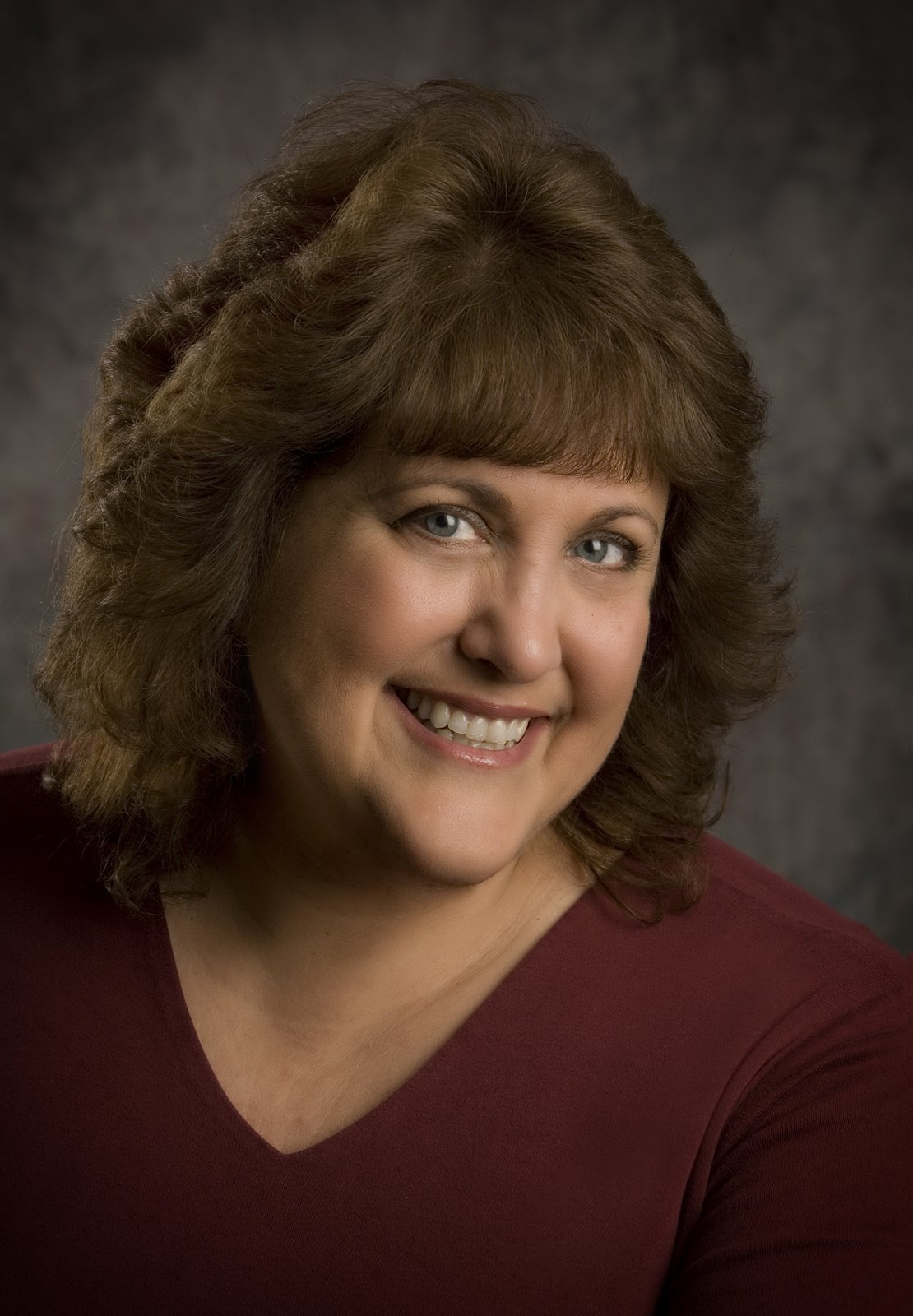
with Paula Margulies, owner of Paula Margulies Communications
Several months ago I took part in a writers’ panel and was asked about my greatest challenge. I didn’t hesitate. “Knowing when to create and knowing when to market.”
Experts like San Diego-based Paula Margulies, owner of Paula Margulies Communications know how crucial it is for authors to reach their audience… and she helps them do just that.
Lori: It used to be that traditional publishers did all or most of the work when it came to marketing a book. What is the reality today?
Paula: Here’s the reality: whether they’ve decided to self-publish, or have signed contracts with traditional publishers, most authors will have to spend some time marketing their books. For many authors, this can be a stumbling block; they understand and enjoy the process of creating a book, but when it comes time to market it, an entirely different set of skills comes into play. For those authors who have no experience at all with marketing a product, there can be a steep learning curve. And many authors are unprepared for the amount of money and time involved in successfully promoting a book.
What are the most effective ways for authors to get the word out about their book AND sell?
There are a number of different ways an author can market a book. Having a good sense of the book’s audience (who are the typical readers, and where can they be found?) is the first step. Once an author has identified his reading audience, he should try to ascertain where his readers go for information about books, and then make sure that his book is mentioned in those places.
Generally, most authors will use a number of marketing methods to reach their individual audiences – they can place paid advertisements, hire a publicist to garner media features, appear at speaking engagements, professional meetings, book fairs, and other venues, do book signings (although bookstores are disappearing, there are some indies and chain stores still out there), write articles for journals, newspapers (print and online), and magazines, hold blog tours, give online interviews, gather book reviews and post them on their web and social media sites, reach out to readers on social networking sites, enter contests, etc. The list is endless and much of it will be dictated by the author’s platform and the book’s genre and audience.
Also important is the continuity that authors offer readers. Because of the extraordinary number of books released each year, readers are overwhelmed with information about what’s available to them. When readers find authors they like, they tend to stick with them and want to see more. Authors who have done the hard work of creating a fan base will need to hold on to it, and the best way to do that is to keep writing the books that their readers are eager to buy.
How effective is social networking (Facebook, Twitter, blogging, etc.) when it comes to a book’s sale?
Social networking is crucial to marketing books, but it’s also just one piece in the marketing mix. Many authors spend a lot of time trying to promote themselves on social networking sites, often because it’s inexpensive and something they can do themselves. But if they neglect the other aspects of marketing (advertising, publicity, appearances, etc.), they may be missing opportunities that can give them more reach with their individual audiences. It’s important for authors to make sure their marketing plans are complete and balanced – spending too much time and/or energy on only one marketing channel will give them some audience reach, but they’ll want to explore as many avenues for reaching readers as they can if they want to achieve good sales numbers. (Note: There may be some authors who are successful marketing their books solely via social media; again, the correct marketing techniques will depend on each individual author’s platform and the book’s genre and audience).
How do you help authors as a book publicist?
I offer authors a chance to get their names and stories out in the media. I create media kits, write press releases and place them on the newswires, book speaking and signing events, pitch feature interviews to print, online, radio, and television editors and producers, provide information and assistance with gathering reviews and entering contests, and handle media relations.
But a publicist can be much more than a megaphone for an author’s work. In addition to creating press kits and pitching the media, I play a number of other important roles for my authors, including acting as an information resource, a sounding board for ideas, a cheerleader when the going gets stressful, a devil’s advocate when sorting through different promotional options, a reference for writing jobs, artist residencies, and contests, a reality check, and a source of inspiration and ideas. I’ve written more about this topic on my blog in a post called More Than Just Marketing.
How much I do for a client depends on what an author is looking for when s/he hires me. Some want only media exposure, while others want help booking speaking tours; some prefer not to make appearances and want help promoting themselves via blog tours or social media, while others are looking for help with reviews and contests, or need assistance with creating press releases, advertisements, or media kits. Each client is different, and his or her particular needs, platform, and budget dictate how I can help.
Are there certain genres of books that are easier to promote right now than others? What about creative nonfiction/memoir?
Yes, certain genres have large audiences and tend to be easier to promote, especially mystery, romance, and science fiction/fantasy. For example, many booksellers have mystery and romance book groups who meet regularly at their stores and are interested in signings with authors. These genres also have a number of professional groups, some nationwide, who hold meetings and conferences in states across the country. Some genres, like science fiction and fantasy, have huge followings and hold large conventions where fans gather (think Comic Con). Many genres have online groups and bloggers who discuss the books their readers like (historical fiction, romance, mystery, sci-fi, fantasy, horror, political nonfiction, LGBT fiction, and Christian fiction, for example).
Creative nonfiction and memoir are popular categories with authors; I’m approached every year by a huge number of memoir writers, who would like to generate publicity for their books. But in order to have a successful memoir, authors have to be sure that their personal stories are compelling to readers. This means that the book should have a traditional storyline structure, with a beginning, middle, and end. It also should have unusual characters or individuals who face high-stake circumstances that force them to change in some significant way. And, generally, in order to break out, memoirs have to be unique in some way – either the author is a celebrity, whose life story holds some interest for its audience, or the story is so different and compelling that it stands out from the readers’ own personal experiences. I’ve written in more detail about this in a post called What Makes a Good Memoir.
What challenges do self-published books bring when it comes to marketing? How about ebooks?
The biggest challenge for self-published books is the sheer number of them out there. Because there are so many books released each year (something like 3,000,000 of them in 2011; I haven’t seen data yet for 2012), the number of authors trying to get their readers’ attention has grown, and standing out in a crowd that large can be daunting.
Also challenging for ebook authors is the lack of printed copies of the book to send to reviewers (many still require them) or to sell in-person at fairs or after speaking and signing appearances.
And even though ebook numbers have increased by an exponential rate each year, there is still a significant number of readers (70 percent or so right now, although I believe that number will continue to shrink), who still prefer to read physical books, rather than ebooks. So, authors who choose to only sell in ebook format might be missing out on a significant portion of their reading audience if the majority of those readers still tend to buy printed books.
You are an author as well as a book publicist. Does that give you more of an understanding of what an author goes through to garner sales?
Yes, being an author myself definitely helps to understand both the writing process and what’s required to market a book. I had an agent for my first novel, Coyote Heart, which ended up being published by a small press. This happened a few years ago, just before the self-publishing market took off; if I had to do it over again, I would probably choose to self-publish. I like the idea of authors being able to control their marketing and sales efforts; perhaps this is why I’ve chosen to focus primarily on authors in my publicity business.
Is there a success story or two that you can share with us concerning authors you’ve promoted?
I have so many clients who have been successful with their books, that it would be hard to pick just one or two! Some of my clients choose to do national tours, and have had great success selling their books at signings and appearances across the country (like Amy Snyder, for example, with her nonfiction account about the Race Across America, Hell on Two Wheels); some with successful ebooks have had their publishers offer to create print versions (like HarperCollins/Authonomy author, Mary Vensel White, whose ebook, The Qualities of Wood will be coming out in print in April); many, like Kim Petersen, author of Charting the Unknown, have won awards, while others have created a successful series with a strong following of readers (U.S. Olympic sailor, Carol Newman Cronin, for example, with her nautical YA series, Oliver’s Surprise and Cape Cod Surprise, and Caroline Taylor, author of the P.J. Smythe mystery What Are Friends For?, whose publisher, Gale-Cengage, is issuing book two in the series, Jewelry from a Grave, this April).
So…can you tell a book by its cover? How important is that cover in promotion?
Having a professionally designed cover is crucial to a book’s success. The book’s cover is a part of its packaging and must not only represent the contents of the book itself, but must resonate with potential readers enough to motivate them to look at it and buy. I’ve seen many covers created by authors who have no experience with graphic design, and they inevitably experience poor sales. Self-published authors should be sure to have their book covers designed by an experienced professional; this is as important as making sure that the book’s contents have been edited by a professional editor before the book is released.
There’s no doubt you love writing and authors. But what are your favorite things to do when you’re apart from the written word?
I do love both writing and working with my clients. I also teach part-time at two of our local community colleges here in San Diego. I hold single-subject and community college teaching credentials, and even though I didn’t go into teaching as a full-time profession, I’ve always taught a course or two each semester (I guess you could say it’s a hobby of mine!). I enjoy the mental exercise of preparing for classes and exchanging ideas with students, and I especially enjoy teaching adults – it’s challenging and hugely rewarding at the same time.
When I’m not doing client work or teaching, I write, read, practice meditation and yoga, try to get my orchids to bloom, and take care of our animals (we currently have two rabbits and a parakeet – all rescues, and all with us for a number of years). My husband and I are now empty-nesters, and both of our kids go to out-of-state colleges – our son attends the University of Oregon, and our daughter plays softball at Ball State University in Indiana. Even though they’re far away, there’s still a lot that we do with them (including traveling around the country to watch our daughter’s games), so they continue to keep us pretty busy.
Sunday, March 3, 2013

Saturday, February 9, 2013
What Makes a Good Memoir?
(Note: This is a piece I wrote awhile ago, but I've received so many inquiries lately by authors who are writing memoirs, that I thought it might be time to post it again. Enjoy. -P.M.)
 As a publicist, I’m sent books of all genres by authors interested in my services, but lately I seem to be on the receiving end of a lot of memoirs. I’ve also spoken to a higher-than-usual number of memoir writers, who either telephone or approach me with questions at writer’s conferences. The bulk of these conversations have to do with why their memoirs aren’t selling and what the authors can do to make them better.
My first suggestion for all memoir writers is to take a look at their market and identify the different types of people who would want to read their book. This is tricky, for while many memoir writers have done a good job of detailing certain aspects of their personal history, a number of them have not thought about who might be interested in reading what they’ve written.
A lot of memoirs I’ve seen recently are nothing more than personal recountings of an individual’s experiences – some of which are, indeed, memorable. But I’ve found that a great number of memoirs contain information that might only be interesting to the author. In this category, I include stories about having a child out of wedlock, rescue missions by health care workers, struggles with family members over an elderly relative’s care, vacations or trips abroad that the author found life-changing, collections of stories that the author told his/her children while they were growing up, or collections of a family member’s letters from World War II. Although engaging and, occasionally, entertaining, books with these topics typically focus on material and/or experiences that a number of us have already encountered in our own lives. And, thus, because we readers are familiar with the situations ourselves, stories like these don’t always make interesting reading.
So, what makes a compelling memoir? I believe that in order to become a bestseller, a memoir must have a strong storyline. That means that there is a beginning, middle, and end to the events that are recounted in the book. Examples of breakout memoirs with clear timelines are Isak Dinesen’s Out of Africa, where the author, Danish baroness, Karin von Blitzen-Finecke, describes the political and emotional barriers she faced while trying to build a coffee farm in Kenya, and Before Night Falls, by Reinaldo Arenas, the rebellious and flamboyant Cuban poet and playwright, who describes both his early years as a homosexual artist under the Castro regime, including his imprisonments and escapes, and his last days as an exile in the United States.
Successful memoirs also have compelling or distinct characters in them. Just like fiction, a good memoir will introduce the reader to individuals who are memorable and, sometimes, highly unusual. Examples include Augusten Burrough’s mother, Deidre, and her unorthodox psychiatrist, Dr. Finch, in Running with Scissors, or the sadistic mother in A Child Called It by Dave Pelzer.
Oftentimes, as in fiction, the individuals in a memoir will be sympathetic, so that readers strongly identify with them. This is particularly true of Eat, Pray, Love by Elizabeth Gilbert, who begins her book by depicting herself in a heap on the bathroom floor, devastated by a recent divorce, or Joan Didion in The Year of Magical Thinking, who lost her husband to a sudden heart attack and shares the aftermath with the reader in a way that is heart-wrenchingly honest.
Another reason for the success of these two memoirs is the fact that they both tell love stories. In Eat, Pray, Love, Gilbert begins the memoir with the loss of love (after a failed marriage) and then ends it with the start of a new relationship with the man who will become her next husband. Likewise, Didion recounts the significant moments of her marriage to her husband, John Gregory Dunne, as she describes her attempts to grapple with her grief at his passing. These two books are skillfully written, with clear, strong voices and brave directness, and both authors draw painful moments with great tenderness.
People in successful memoirs often face situations with high stakes consequences and experience an emotional trajectory, or arc, whereby the individuals are changed somehow at the end of the book. Many memoirs have to do with the author or a parental figure teetering on the brink of alcoholism (Don’t Let’s Go to the Dogs Tonight by Alexandra Fuller), destitution (Angela’s Ashes by Frank McCourt), poverty and spousal abuse (All Over but the Shoutin’, by Rick Bragg), drug addiction (A Million Little Pieces, by James Frey), cultural adversity (Three Cups of Tea by Greg Mortenson and David Oliver-Relin), and life-threatening adventure (Into Thin Air by Jon Krakauer). What makes these books stand out above the others is that in all of these stories, the authors and/or their loved ones faced extreme circumstances – incarceration, kidnapping, starvation, emotional abandonment, and, sometimes, immanent death – and somehow survived.
In addition to the victim/survival type memoir, there are celebrity memoirs, where the author recounts his own story as a celebrity or his experiences living or working with one (examples include Here’s the Story by The Brady Bunch star, Maureen McCormick, or Everything about Me is Fake and I’m Perfect by supermodel Janice Dickenson). There are also tell-all or insider memoirs, where the individual describes events in an environment that most of us would never have a chance to experience. Many of these are political in tone, such as John Dean’s Blind Ambition, the anti-Nixon tome published in 1976, or George Stephanopoulos’s All Too Human, which described intimate details about the first family during the Clinton administration.
The message here is that unless your memoir is something like the ones I’ve mentioned in this post, you might have a tough time selling it. That doesn’t mean that authors shouldn’t write memoirs – on the contrary, writing a memoir can be a wonderfully revealing and cathartic experience for the author and of great significance to family members and friends. But to reach further audiences, memoirs that don’t involve a celebrity connection or insider information must have a definable storyline, remarkable characters, high stakes, and a great love story – or some combination, thereof – in order to experience breakout success.

My first suggestion for all memoir writers is to take a look at their market and identify the different types of people who would want to read their book. This is tricky, for while many memoir writers have done a good job of detailing certain aspects of their personal history, a number of them have not thought about who might be interested in reading what they’ve written.
A lot of memoirs I’ve seen recently are nothing more than personal recountings of an individual’s experiences – some of which are, indeed, memorable. But I’ve found that a great number of memoirs contain information that might only be interesting to the author. In this category, I include stories about having a child out of wedlock, rescue missions by health care workers, struggles with family members over an elderly relative’s care, vacations or trips abroad that the author found life-changing, collections of stories that the author told his/her children while they were growing up, or collections of a family member’s letters from World War II. Although engaging and, occasionally, entertaining, books with these topics typically focus on material and/or experiences that a number of us have already encountered in our own lives. And, thus, because we readers are familiar with the situations ourselves, stories like these don’t always make interesting reading.
So, what makes a compelling memoir? I believe that in order to become a bestseller, a memoir must have a strong storyline. That means that there is a beginning, middle, and end to the events that are recounted in the book. Examples of breakout memoirs with clear timelines are Isak Dinesen’s Out of Africa, where the author, Danish baroness, Karin von Blitzen-Finecke, describes the political and emotional barriers she faced while trying to build a coffee farm in Kenya, and Before Night Falls, by Reinaldo Arenas, the rebellious and flamboyant Cuban poet and playwright, who describes both his early years as a homosexual artist under the Castro regime, including his imprisonments and escapes, and his last days as an exile in the United States.
Successful memoirs also have compelling or distinct characters in them. Just like fiction, a good memoir will introduce the reader to individuals who are memorable and, sometimes, highly unusual. Examples include Augusten Burrough’s mother, Deidre, and her unorthodox psychiatrist, Dr. Finch, in Running with Scissors, or the sadistic mother in A Child Called It by Dave Pelzer.
Oftentimes, as in fiction, the individuals in a memoir will be sympathetic, so that readers strongly identify with them. This is particularly true of Eat, Pray, Love by Elizabeth Gilbert, who begins her book by depicting herself in a heap on the bathroom floor, devastated by a recent divorce, or Joan Didion in The Year of Magical Thinking, who lost her husband to a sudden heart attack and shares the aftermath with the reader in a way that is heart-wrenchingly honest.
Another reason for the success of these two memoirs is the fact that they both tell love stories. In Eat, Pray, Love, Gilbert begins the memoir with the loss of love (after a failed marriage) and then ends it with the start of a new relationship with the man who will become her next husband. Likewise, Didion recounts the significant moments of her marriage to her husband, John Gregory Dunne, as she describes her attempts to grapple with her grief at his passing. These two books are skillfully written, with clear, strong voices and brave directness, and both authors draw painful moments with great tenderness.
People in successful memoirs often face situations with high stakes consequences and experience an emotional trajectory, or arc, whereby the individuals are changed somehow at the end of the book. Many memoirs have to do with the author or a parental figure teetering on the brink of alcoholism (Don’t Let’s Go to the Dogs Tonight by Alexandra Fuller), destitution (Angela’s Ashes by Frank McCourt), poverty and spousal abuse (All Over but the Shoutin’, by Rick Bragg), drug addiction (A Million Little Pieces, by James Frey), cultural adversity (Three Cups of Tea by Greg Mortenson and David Oliver-Relin), and life-threatening adventure (Into Thin Air by Jon Krakauer). What makes these books stand out above the others is that in all of these stories, the authors and/or their loved ones faced extreme circumstances – incarceration, kidnapping, starvation, emotional abandonment, and, sometimes, immanent death – and somehow survived.
In addition to the victim/survival type memoir, there are celebrity memoirs, where the author recounts his own story as a celebrity or his experiences living or working with one (examples include Here’s the Story by The Brady Bunch star, Maureen McCormick, or Everything about Me is Fake and I’m Perfect by supermodel Janice Dickenson). There are also tell-all or insider memoirs, where the individual describes events in an environment that most of us would never have a chance to experience. Many of these are political in tone, such as John Dean’s Blind Ambition, the anti-Nixon tome published in 1976, or George Stephanopoulos’s All Too Human, which described intimate details about the first family during the Clinton administration.
The message here is that unless your memoir is something like the ones I’ve mentioned in this post, you might have a tough time selling it. That doesn’t mean that authors shouldn’t write memoirs – on the contrary, writing a memoir can be a wonderfully revealing and cathartic experience for the author and of great significance to family members and friends. But to reach further audiences, memoirs that don’t involve a celebrity connection or insider information must have a definable storyline, remarkable characters, high stakes, and a great love story – or some combination, thereof – in order to experience breakout success.
Sunday, November 4, 2012
More than Just Marketing: The Many Ways a Book Publicist Can Help You Achieve Your Goals

But a publicist can be much more than a megaphone for an author’s work. In addition to creating press kits and pitching the media, publicists play a number of other important roles for their authors. Here are a few of them:
1. Information Resource
An experienced publicist with good industry knowledge is an invaluable resource for all types of information an author might need. In addition to crafting press releases and booking speaking and media gigs, a publicist can help authors connect with professional cover designers and editors, identify the right blog tour companies, provide lists of top and mid-tier reviewers, pinpoint the right contests to enter, suggest options for distribution, and define and locate the author’s target market. A good publicist can also provide tips on different aspects of the overall process, including suggestions on how authors can best represent themselves at promotional events and media interviews and the right timing for various aspects of the marketing campaign.
2. Sounding Board
One of the benefits of hiring a publicist is that she can help be a sounding board for ideas you might have about marketing your book. As a new author, you may want to try certain techniques you’ve discovered or consider advice you’ve received from others authors. Your publicist should be willing to discuss the available options and share her experience with different marketing strategies and methods.
3. Cheerleader
Many authors find the marketing process to be time-consuming and stressful, especially if their publicists have been successful at setting up a number of events and interviews. At some time during the process, those who are exhausted from the rigors of traveling, speaking, and promoting can lose focus and may reach a point where they want to give up altogether. Your publicist is there to listen to your concerns and help you reconnect with the joy of having created a published work. She can buck you up when you’re down and help you to regain your focus and energy by providing encouragement and support when you’re feeling overwhelmed.
4. Devil’s Advocate
Your publicist can also provide feedback on your efforts and help you to ferret out what’s working and what isn’t as you go through the promotion process. She can encourage you to consider other options, ask the “what if” questions, and help you think outside the box when you’re feeling less creative or have run out of ideas.
5. Reference
Oftentimes authors need references to help with obtaining speaking spots, applying for artist residencies or writing jobs, or networking with important connections. Your publicist can support you by sending out letters, answering inquiries, and acting as a character reference on your behalf.
6. Reality Check
For some authors, the sky’s the limit as far as where they hope to go with their publicity campaigns and how much time and effort they’re willing to spend. A good publicist will help you define parameters and manage expectations, so that you focus on obtainable goals and don’t waste time chasing opportunities that might be unattainable or not in your best interest.
7. Source of Inspiration and Ideas
Your publicist is your resource for anything related to the marketing and promotion of your book. Use her to evaluate ideas, explore resources, and identify sources of inspiration. A good publicist will support you, cheer you on, and work hard to help you obtain your goals.
When evaluating potential publicists, check their references and make sure the one you’re considering best fits your personal style and understands your goals. Choose wisely, and your publicist can help you – in many different ways – to make the most of your book marketing efforts.
Tuesday, October 30, 2012
Book Publicity Questions from the Twitter Zone

1. What can I do to make my book more marketable?
The best way to make a book more marketable is to produce a quality product. I’m surprised at how many times I receive books from prospective clients with covers that aren’t professionally designed and copy that hasn’t been professionally edited. I also receive a good number of manuscripts from authors who have clearly never taken a writing class, or have written books that have never been workshopped; these books often have storylines that suffer from basic writing problems, such as too much back-story or clumsy dialogue. Add in the fact that the author has no platform, and you pretty much have a book that will not sell.
Authors who have chosen to self-publish should be sure that their books are able to compete with the number of quality books already out there by first taking writing classes and workshopping their manuscripts.
Once a book has been workshopped and judiciously revised, the next step is to have it professionally edited. A lot of authors skip this step because of cost, but it’s the most important thing they can do to insure that their books appear professionally written and error-free.
It’s also crucial that authors hire professionals to develop the cover art for their books. Homemade covers by those with no experience in book cover design won’t cut it in today’s competitive book market.
And authors must be willing to establish some kind of platform for themselves if they want their books to sell.
2. What are the biggest mistakes new authors make, and what suggestions do you have for fixing them?
There are a couple of mistakes I see quite often. The first is not having a book that’s been professionally edited. A lot of authors write to me and say that they don’t have the money to hire an editor. But if they plan to self-publish and skimp on editing, they risk not having the book sell because of low quality. So, the investment in a good editor is worth it.
For those who are really strapped for cash, I suggest at least having the front end of the book (the first three chapters, for example) edited. If money is truly an issue, authors should try to do as much with what they have and plan to spend whatever they can afford on professional editing (the same is true for cover design).
The other mistake a lot of new authors make is the attempt to build a platform by marketing to other writers. Authors need to appeal to readers, not just other writers. But many new authors waste a lot of time writing blog posts about being an author, including topics like how to be a good member of a writing group, how to write reviews, how to sell books, etc. While these are worthy topics, unless the book is about writing or the author’s an established industry expert, they’re are not going to help position an unknown author as an expert in his field or genre.
New authors who want to build their platforms (and readership) should focus on readers who buy the kind of books they write. For example, a new mystery author will want to focus on forums and blog sites that mystery and crime readers visit; the author should post there and on her own site about mystery and crime, review books on mystery and crime, and discuss topics that interest mystery readers. She should find a niche in her market and do what she can to establish herself as an expert in it (write articles, teach classes, give presentations, post on her own and others’ blog sites, etc.).
Likewise, if an author is trying to break into the YA or fantasy market, the focus should be on topics that appeal to readers of those genres. There are a number of topics related to young readers (thematic issues, life issues, favorite books and characters, etc.) that YA authors can talk about in their blog posts and articles. The same is true for fantasy – there are myriad aspects of the fantasy genre that should offer rich ground for generating compelling posts that will appeal to readers of those kinds of books.
To help reach readers, authors will want to concentrate on sites where readers go, including Goodreads and targeted forums, blogs, and review sites. They should be sure to friend and/or follow readers (not other authors) on Facebook, Twitter, Google+, LinkedIn, and other social media sites and aim to create informational articles and posts, make promotional offers, and develop relationships with as many readers as they can before their books launch and after they’re available.
3. I’ve decided to publish in ebook format only. What are the challenges/benefits of doing so from a publicity standpoint?
A lot of authors have contacted me recently about promoting a book that is only available in ebook format and, while it’s doable, it does present some challenges. The biggest challenge is that these authors don’t have printed copies that they can bring with them to sell after public appearances. And they’re not able to send hard copies to reviewers or bloggers who request them, or submit to those contests that require hard copies.
That said, there are still lots of opportunities where ebook-only authors can find exposure for their work. There are a number of web and blog sites that focus on ebooks and offer discounted versions to readers. And ebook authors can still make public appearances; when they do, they should plan to give their audience printed information about where to go online to buy the book. For some authors, this hasn’t been a problem – many readers bring their Kindles and Nooks with them to author appearances and, as the ebook market continues to grow, I think we’ll see more of this in the future.
Some of my clients with ebooks have opted to have a number of copies printed, so they can send them to reviewers and bloggers and sell them after public appearances. Others opt to only approach reviewers who are willing to read e-versions. As always, the most important considerations for selling any book, whether printed or in e-format, are to make sure it’s well-written and professionally designed and edited and to target readers when it comes time to promote.
4. As a publicist, what trends are you seeing for promoting books?
One trend I’m seeing is that while booksellers are now more open to accepting self-published books in their stores, they’re also focusing more on celebrity clients and big-name authors for signings. Many of them are willing to allow self-published authors to bring in books on consignment, both for signings and for sale in the stores, but as fewer stores remain viable, the competition for spots in those stores has risen. There are still independent and chain bookstores that will allow authors to hold signings, so I urge authors to take advantage of what’s out there now, since the future for brick-and-mortar bookstores looks pretty uncertain. But authors must build their platforms if they want to appear in these stores.
Another trend is that author appearances still remain a good way to sell books, especially at targeted venues (professional organizations, speaking engagements, conventions, fairs, etc.), where the author can connect with the audience and then sell books afterward. Many of my clients have found that these kinds of events bring the highest sales in their marketing efforts.
For those who don’t have a content area that allows for speaking engagements, blog tours are a good method of promoting books and getting the word out to readers. I’ve found these to be especially effective for my clients with specific non-fiction topics that have a large number of blogs dedicated to them (for example, those that focus on specific health issues, like ADD, MS, cancer, etc.). Also, those who write genre fiction (romance, for example) will find a number of blogsites dedicated to readers and can work those sites for exposure to their target audience.
Finally, the increase in the number of readers willing to read books on devices like Kindles and Nooks is changing the way we market books. In addition to author appearances, blog tours, and marketing via social media, authors are learning that they must develop ways to help promote ebooks to readers. These methods can include offering discounts, bundling books in a series, offering books at no cost for limited periods, etc. The continued growth of ebooks as a major section of the book market share is forcing authors to think about how they’ll reach those who read ebooks, as well as readers who still buy printed books.
5. What advice do you have for new authors who are just starting out with their promotional efforts?
First, if you’re planning to self-publish, you must be committed to putting out a professional product. So, authors should make sure they become educated about writing, workshop their manuscripts, and include professional cover design and editing in their budgets for creating their books.
Second, authors should think about their platforms. When it comes time to market the book, the author’s background and expertise is going to be as important as the book itself, especially when pitching the media.
Third, authors should have a game plan before they start writing, which includes taking the time to answer the following questions: Why am I writing this book? Who is likely to want to read it? What is the size of my target audience and how will I reach them? Am I willing to take writing classes and workshop my manuscript, so it’s marketable to today’s savvy readers? Am I committed to hiring professionals to help with cover design and editing? How much time and resources (including money) am I willing to spend to promote the book once it’s written? And what are my long-term goals as an author – will I be a one-hit wonder, write more books like the one I’ve written, or move on to a different genre?
There are no right answers to any of these questions, and the answers will be different for every author out there. But it’s important that authors consider purpose, audience, budget, and future goals in order to be prepared once their books are ready to market.
Finally, many authors see the success of those who are managing to make a living from self-publishing and assume that once they self-publish a book, they will be able to do the same. This is far from true; in fact, very few self-published authors with only one book are able to generate enough sales to support themselves and their families full-time, especially if they are unknown. So, managing expectations is a huge part of self-publishing a book.
Authors should remember that those who are making a living from self-publishing have done so after many years of writing. Many of those successful authors were once traditionally published, as well as self-published, and have spent years developing audiences that are familiar with them and willing to buy their books. New authors will have to build their own audiences, step by step, by focusing on readers and reaching out to them in as many ways as possible. And it may take some time before substantial results occur. Being patient (and realistic) and doing the hard work of getting out there and building relationships with readers is necessary if new authors hope to realize success in today’s competitive self-publishing market.
Monday, September 17, 2012
Writing with Intention: How Understanding Why You Write Can Help You Sell

This particular client’s clarity about her goals is similar to having a corporate mission statement, which many companies use to provide vision and direction to their employees. When a company has a clearly written statement, employees can use it to tune in to upper management’s expectations and determine how they fit with the corporate mission. They can more easily grasp the company’s purpose and who its customers are, as well as develop a better sense of how to serve those customers.
Likewise, having a clear sense of the purpose your book serves and what you’d like to do with it can be very helpful to you (and the marketing professionals you might hire) when it’s time to promote your work.
In New Age circles, pundits call this sense of clarity and direction working with intention. When we work with intention, i.e., when we’re clear about why we’ve written something and understand its value to others, not only does the work flow more easily, but we are much more likely to be able to correctly describe and promote it.
The intention behind a written work can take many forms. Some authors intend to write books that are instructive or informational. Others write to entertain.
Some write because they feel compelled to do so, or because a certain storyline keeps playing over and over in their heads and they want to capture it in written form.
Some write to heal, as is often the case with memoir. Those who keep diaries or journals may do so as a means of knowing themselves better.
Many authors write because they love language or because they like playing with ideas. Others use writing as a way to develop a community connection, through meetings with other writers and the readers of their work.
Some write to document family history for future generations, while others do it purely for pleasure, as a way to pass blocks of time.
But no matter what the reason, it helps to know why you’re writing, so that when the writing is done – be it a novel, a short story, a nonfiction guidebook, a memoir, or a collection of poems – you’ll better understand it’s purpose and intended audience. This understanding makes it much easier to pinpoint what you need to do to explain that purpose and reach your audience which, in turn, will help you make decisions about how you’re going to promote your work.
So, before beginning your marketing efforts, ask yourself, “Why did I create this piece? What is its purpose? Who is my book written for, and how will it help those who read it?” Write down your answers; they’ll help you understand your original intention and determine what you need to do now to sell it.
Thursday, August 30, 2012
Answers to First-Time Authors' Publicity Questions

1) Do I really need a website and a blogsite to market my book?
Yes, you really do need both. When I contact media producers and editors on your behalf, they will be looking to see what kind of presence you have on the web and whether or not you’re starting to develop any kind of following among readers. And readers interested in your work will want to visit your web and blog sites to learn more about you.
2) I edited my book carefully myself, and my wife/husband edited it, as well. Isn’t that enough?
Sorry, but self-editing (or editing via friends or family who are not professionals) doesn’t cut it. Whether you plan to self-publish or go the traditional route, you should have your work edited by a professional.
Your book is your product – it can have the greatest storyline or nonfiction content in the world, but if it’s poorly written and/or contains errors, readers will notice and say so in reviews. And it will be more difficult to obtain that all-important word-of-mouth promotion that helps some first-time books breakout. There are always exceptions to these guidelines (some might list Fifty Shades of Grey as an example), but in most instances, if you want to sell well, you must have a product that is polished and well-written, and the best way to do that is to have a professional editor review your work.
3) I want publicity for my book, but I don’t want to blog/travel/appear publicly/give interviews. What can you do for me?
If you are a first-time author, you need to find methods to reach your target audience. The best way to do that is to put yourself out there; if you’re unwilling to do so, then hiring a publicist is probably not going to help you.
And, yes, there are methods of reaching out that don’t require personal appearances or blogging. You can pay for advertising, for example, or hire a blog tour company to get bloggers to post about you and your book on their sites.
But remember, there are over 32 million books on the market right now, and experts predict that number will continue to grow. How will you make your book stand out from all the others? If you want readers to know about you and your book, you’re going to have to get yourself in front of them in as many ways as possible, be it online, on paper, via traditional media and advertising, or through in-person appearances. The more of these activities you do, the better chance you have of reaching readers.
4) How can I promote my book if I don’t have a platform?
Having a platform means that you, the author, have a strong background or some kind of expertise that is newsworthy and will make you a good potential interview candidate for the media. Promoting a book without a strong author platform is difficult, so if your platform is weak or nonexistent, you’ll need to build one.
The best way to build a platform is to establish yourself as an expert in your book’s content area (this is true for fiction, as well as nonfiction). Many authors mistakenly believe this means that they should try to position themselves as experts on writing. That’s true if your book is about writing, but if it isn’t, you’ll want to position yourself as an expert in the genre or subject area that your readers buy. The best way to do this is to create blogs on topics that interest your readers, become a guest blogger on other sites in your genre or specialty area, teach classes, write articles, and do whatever you can to be seen as someone with expertise in the realm in which your book (and its potential readers) reside. Again, this means putting some effort into developing a following on social media sites, writing blogs, making public appearances, writing articles for online and print publications, etc. (Those who are uncomfortable with doing these things, please reread my answer to question #3).
5) I have a good book, but no platform, or I have a great platform, but my book isn’t quite there yet. Will you represent me?
When I read a book by a potential client (and I always read potential clients’ books before I agree to take them on), I ask myself three questions: Is the book well-written and professionally edited? Does the author have a good platform? And can I successfully promote this book and author to my contacts? I will only represent an author if I can answer yes to all three questions.
6) Some pundits are saying that I should have at least three books published before I start any promotion. Is this true?
Many established authors have discovered that if they are successful in a certain genre, they can generate more sales by creating sequels for those books that sell well. And readers are proving loyal to characters and storylines that they love. So, if you write a book that lends itself to creating a series, particularly if it’s genre fiction, it can be a good idea to do so.
But, if you’re self-publishing your work, it’s sometimes hard to know if you have a potential success (or a potential successful series) until you get that first book out there. Even if you plan to write follow-on books, I believe it’s still a good idea to spend some time promoting the first book. And if you have a second book in the wings, you can often build on the publicity for the first book to successfully promote the second.
7) From a publicity standpoint, what general advice do you have for me as a first-time author?
Great question – here’s what I recommend:
● Make sure your book has been heavily workshopped, ruthlessly revised, and polished to perfection by a professional editor before submitting it to agents, editors, or publicists, and certainly before publishing it online or in print.
● Educate yourself on promotion and marketing. Read everything you can by experts and successful authors who publish in your genre. Some of the advice will be tremendously helpful, while some of it may not fit you or your goals for your book; adopt what is useful, and commit yourself to doing what those experts recommend to help your book sell.
● Decide how much in the way of time, effort, and money you’re willing to spend on promoting your book and develop a schedule and budget you can live with.
● Plan to promote your first book full-bore for a set amount of time (6-8 months after release is a good rule-of-thumb) and then consider creating a self-sustaining/long-term strategy, so you can focus on writing the next book.
More questions? Post them here, and I’ll do my best to share what I know.
Monday, August 6, 2012
Advice for Authors: Create A Twitter Profile that Sells

But like most social media tools, Twitter is only powerful if you use it effectively. If you're an author hoping to use Twitter to sell books, then how you describe yourself on Twitter is an important component to encouraging a potential reader to follow you. It can also help a book blogger, reviewer, or media producer/editor who is researching you learn more about how you’ve positioned yourself as an author. Remember, how you describe yourself on social media sites is a crucial part of creating a platform and presenting yourself to those who might buy your books.
With that in mind, here are my thoughts (from a publicist’s perspective) on the do’s and don’ts for authors regarding how they describe themselves on Twitter and other social networking sites. First, the don’ts:
1. Don’t deprecate yourself
I’m stunned at the number of authors out there who describe themselves in unappealing terms. Some of the most common self-deprecating monikers are “loser,” “geek,” “nerd, “newbie,” and “wannabe.” I recently came across one author who described her own books as “smutty”; another who claims that he is an “ineffective woman chaser,” a third who calls herself a “troll.” Now I know that some of these descriptions are meant to be funny, but there is so much overuse of these kinds of statements that they’ve lost their uniqueness and risk falling flat with readers. Some might argue that the terms “geek” and “nerd” are a badge of honor for those who are technically competent, but if that’s true, consider positioning yourself with more positive words that might entice readers, bloggers, reviewers, and media folks to see you as an expert, rather than a person who describes himself with over-used and self-deprecating terminology.
2. Don’t label yourself as “aspiring”
Okay, maybe you’re new at the writing game, but if you’re in the process of writing anything, even for the first time, it’s perfectly okay to simply refer to yourself as a writer (no “aspiring” adjective necessary).
3. Don’t say you’re a bestselling author unless you truly are
There are bestselling authors out there, most of whom either have big-time breakout successes or extensive backlists. In either case, these people have sold many, many books. If that isn’t true in your case, please don’t label yourself as something that you aren’t.
4. Don't use religion and politics as descriptors unless they're relevant to your readers
Many authors list Jesus as the first item in their Twitter moniker. Others throw in the terms “conservative” or “liberal.” While this kind of disclosure is fine for those who write Christian or political books, it’s not always great for selling. Remember, some of the readers you may be looking to attract will not be Christian (or Buddhist, or Jewish, or whatever other religion you’ve mentioned). Likewise, if you list yourself as liberal or conservative, you’re sure to scare off the other half of your potential readership. Keep religion and politics out of your descriptions, unless you want to sell only to those who think, and believe, as you do.
5. Don’t refer to your husband, wife, or kids in your profile unless they have something to do with your book
Listen, we’re all members of some family or another. Unless your book is about parenting or family relationships, consider saying something else about yourself that potential readers might find more interesting and relevant.
6. Easy on the cat references
The other extremely over-used descriptors I see out there are “cat-lover,” “cat-owner,” “owner of XX number of cats,” etc. Unless you’ve written a book that has something to do with felines, consider leaving Fluffy where he belongs, on your living room couch.
7. Food is good, but watch that it doesn’t become the only thing that sets you apart
If you’re a cookbook author, then yes, by all means mention certain types of food in your profile. But if you’re not, realize that mentioning anything having to do with coffee (or caffeine), alcohol, or chocolate has been used by thousands of other Tweeps who can’t find something more creative to say about themselves.
8. Don’t overkill with hashtags and website addresses
#There’s #nothing #worse #than #trying #to #read #a #string #of #words #that #are #preceded #by #hashtags #or #anything.com.
9. Don’t say “I follow back” – just do so
Enough said.
Now for the do’s:
1. Think like a journalist
The best advice for positioning yourself to your readers comes from the school of journalism, where writers are advised to focus on the who, what, where, when, and why of the story. The same guidelines apply for your Twitter moniker: tell potential followers who you are, what genre you write, and, if relevant, name your books. A good example is the profile for well-known mystery author LJ Sellers, who describes herself thus: Author of the bestselling Detective Jackson mysteries & standalone thrillers: The Sex Club, The Gauntlet Assassin, The Baby Thief, and The Suicide Effect.
2. Keep your profiles brief
No one likes overkill in anything, even Twitter handles. Remember that less is more when it comes to describing yourself, so be brief and descriptive. A good example comes from self-publishing guru, JA Konrath, whose Twitter profile is simple and elegant: I write thrillers.
3. Keep them on-point
If your goal is to use Twitter to sell books, then make sure that’s a main point of reference when you describe yourself. If you have other goals for yourself, list them in your profile. For example, best-selling suspense author Bob Mayer describes himself thusly: NY Times Bestselling Author, Speaker, Consultant, Former Green Beret, CEO Cool Gus Publishing.
4. Be professional
In summary, if you want yourself and your books to be taken seriously by readers, then be serious about how you present yourself on social media sites. Your potential Twitter followers (and, hopefully, future fans) will thank you for it.
Subscribe to:
Posts (Atom)