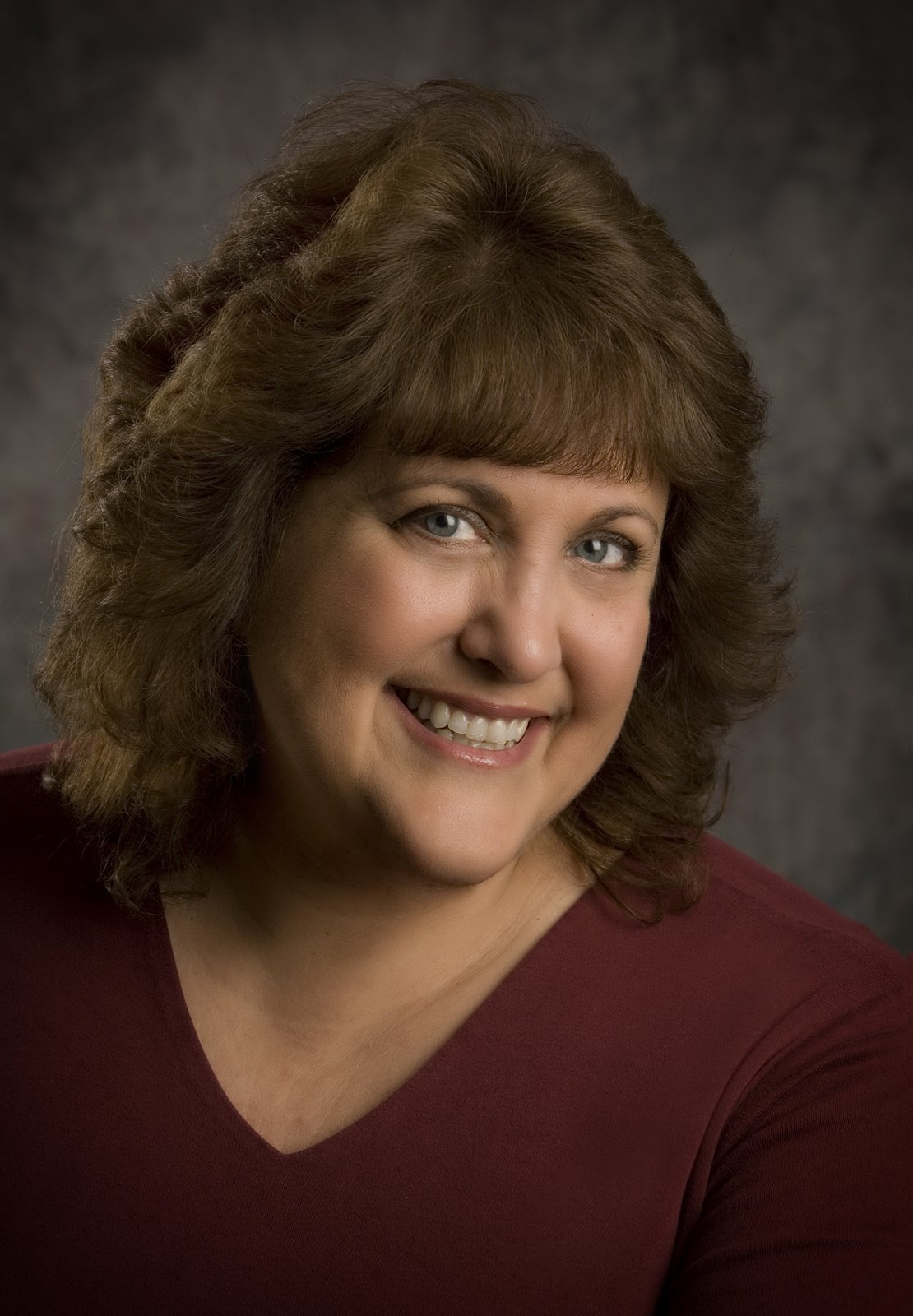
I am blessed. I have a wonderful job (I get to read and promote books for a living!), incredible clients, a great family, terrific friends, amazing students (I teach a class at a local community college) and colleagues I adore.
And these blessings make me one busy gal.
Even so, I do the best I can to make myself available to authors who call or email wanting info on promoting books. And I’m always ready to read whatever is sent my way.
But, if you’d like me to consider taking you on as a client, I have a few favors to ask:
Please be sure to let me know ahead of time if you plan to send me a book or ms.
I can’t tell you how often I have books sent to me out of the blue, with no prior phone call or email message to tell me why the book is being sent my way. Why do you want me to read it? And what should I do with it once it’s been read? Please don’t make me guess about something so important; call or send me an email message before you send a book, so I will know what it is you’re looking for in the way of publicity and what to do with the book when it gets here.
Please be sure your book/ms has been edited before you send it my way.
If you want me to take you and your book seriously, then I strongly urge you to have it edited by a professional editor before you send it to me to read. If there are typos, POV shifts, missing words, incomplete sentences, sentence fragments, improper pronoun agreement, etc., chances are good that I’m not going to read your ms/book all the way through. And I probably won’t take you on as a client.
In other words, get your book read by as many people as you can before you send it out to anyone (including me).
Please don’t send manuscripts by email.
Printer cartridges are expensive, so I beg all interested authors to please call or email me first and then, if we both agree that I might be the right person to help promote your work, send a hard copy to me via regular mail at the following address:
Paula Margulies
8145 Borzoi Way
San Diego, CA 92129
And finally, please, please, PLEASE, be sure to include your contact info when you send me a book/ms.
Sounds crazy, doesn’t it? But this is my number one pet peeve. I can’t let you know what I think of your book if I can’t reach you after I’ve read it. So, be sure to include your name, email address, and/or telephone number with the copy of your book (I don’t need a cover letter; a Post-It note is fine, as long as I can read what’s on it).
Thanks for humoring me with these requests. I’m looking forward to reading your work!
Showing posts with label publicists. Show all posts
Showing posts with label publicists. Show all posts
Thursday, August 11, 2011

Saturday, June 25, 2011
How a Publicist Chooses Which Books to Represent
 Ever wonder how a publicist decides which books she’ll agree to promote? Here are a few items that factor into a publicist's decision when considering a new client:
1. Is the book good?
Believe it or not, having a well-written and professionally published book is the number-one criteria for taking on a client. If the book isn’t good (i.e., is poorly written, hasn’t been edited, is riddled with typos, has a cover clearly not designed by a professional, etc.), it will be difficult to find a publicist to represent it. This fact is sometimes hard to hear, especially for those authors whose work has been already been rejected by agents and editors. Chances are, if your book is not good enough to be traditionally published, you may want to look at improving it before asking a publicist to look at it. The business of publicity is all about generating word-of-mouth buzz about your book. But, a bad book will not generate buzz, no matter how much exposure a publicist is able to obtain for it.
But, you ask, what if my book was rejected by agents and editors, and I want to self-publish it? Will a publicist still be willing to take it on? The answer is oftentimes yes, but be sure your book is the best it can possibly be before the publicist sees it. A good publicist is going to agree to represent books that are well-written and marketable; even if your book is self-published, you’ll want to make sure it has been professionally edited, designed, and printed, and that it has proper distribution.
2. Does the author have a platform?
This is the second most important criteria for taking on a client. Having a platform means that you, the author, have some kind of background or experience that is marketable and newsworthy. Publicists will want to know what it is about you that is interesting or notable, and this background will be crucial to obtaining media interviews for you.
How do you develop a platform if you don’t have one? Take classes and go to workshops that will help educate you in your book’s subject area (this is true for both fiction and non-fiction authors). If you have expertise, develop speaking topics and give presentations and workshops. Create a website and a blog, and make sure both are informative and educational. Become an expert in your subject area by blogging about your book’s content. Use social networking sites like Facebook and Twitter to develop a following. Write articles and publish essays on your content area. Enter contests and do as much as you can to become a known and sought-after entity in your subject area.
3. Is the book with a reputable publisher?
While it’s possible for a publicist to promote a self-published book, it can be a bit more difficult to do so if a book is not with a reputable press. There are a number of self-publishing entities out there that exist mainly to make money from writers. These entities are known in the industry as vanity presses, and some of them have unsavory reputations. Before you sign with a publisher, especially if you’re self-publishing, you’ll want to make sure that your publisher has a good reputation. Do background searches on the Internet and check with other writers and writers’ forums to see if the press you’re considering is a good one.
Also, be aware that most booksellers will not shelve books that are self-published. And even though booksellers are struggling and may soon become a thing of the past, there are still many independent and chain bookstores in existence that sell books to readers. If you want your book to be available through a bookseller, do all you can to have the book traditionally published. If your book is self-published, be sure it is available through distributors like Baker & Taylor or Ingram, or through independent distributors, if you want booksellers to stock it in their stores.
4. Is the book ready for distribution?
I get many calls from writers asking about publicity services months before their books are ready to be distributed. While it’s good to start early with publicity efforts, authors should take care to time their promotions so that their books are available when readers hear about them. I usually recommend that clients wait to start a publicity campaign until at least one or two months before their books are available through their distributors; otherwise, the booksellers I call cannot find the books in their listing services, or they’ll turn down opportunities for events because they see that the books are not yet available for ordering. If your publisher is producing advance review copies (ARCs), then we’ll be able to send copies to interested booksellers and media for review ahead of time. But if you don’t have review copies available, it’s best to wait until your book is listed with a distributor and very close to being available in print before starting your promotional efforts.
What if your book is only going to be available as an ebook? I hear from many authors who choose not to offer printed versions of their books. If that’s the case, then promotional efforts can begin as soon as the book is available for download. My only caution is to be sure that the book is ready to be read – publishing an ebook that is poorly written or has not yet been edited, can lead to weak reviews and no word-of-mouth buzz from readers. Make sure it’s truly ready for public consumption by having the copy professionally edited, the cover professionally designed, and obtaining back cover blurbs and endorsements from as many credited authors and readers as you can.
5. Does the author know what s/he wants in the way of publicity?
A publicist can recommend a game plan for promoting any book, but it helps to work with an author who knows what s/he wants in the way of publicity. Do you want a book signing tour, a blog tour, book reviews, media interviews, or all of the above? And what kind of budget do you have? Knowing the answers to these questions beforehand can help give a publicist some direction for the work she does, and will help ensure that you get what you want in terms of promotion for your book.
6. Is the author open to new ideas and possibilities?
I sometimes encounter authors who want publicity for their books, but are not willing to do much to help make that happen. A publicist can set up signing engagements, book tours, and line up media interviews, but it is up to the author to fulfill these engagements. An author who limits what can be done for his book, will limit the amount of reach the book has with readers. Likewise, an author who does not want to speak publicly, is unwilling to travel, and/or refuses to pursue social networking for his book, is not likely to be successful. Good promotion requires spreading the word to readers, and that requires reaching out to them in as many ways as possible. A good publicist will urge her clients to think outside the box and expand their promotional reach as far as possible; clients who are unwilling to do so are not likely to be good candidates for a publicity campaign.
7. Is the timeframe reasonable?
One of my favorite characters, Varuca Salt, in Roald Dahl’s Willy Wonka and the Chocolate Factory, is famous for her demanding cry, “I want it now!” Many authors are excited once their books are finally published and, in their haste to get promotional programs moving, demand instantaneous results from their publicists. But publicity can be a painstaking and time-consuming business. Oftentimes, scheduling events and interviews for clients can take numerous phone calls, email messages, and meetings to bring the sought-after press to fruition. Authors should realize that it may take days and sometimes even weeks to get agreements for events or media articles and interviews. The wise author will allow his publicist the time s/he needs to pursue promotional opportunities and know that having patience generally pays off with a yes nod for coveted media spots.
8. Is the author willing to work hard at promoting?
It doesn’t matter how good your publicist is – whether your book makes it or breaks it will depend on how hard you, the author, are willing to work. A good publicist can open doors and set the stage for you to inform others about your work. But, ultimately, it is up to you to make the most of those opportunities. Whether it is giving a talk at a professional meeting, doing a book signing, speaking at a trade show, or giving a radio or TV interview, the energy and professionalism you put into your performance is the most important factor in influencing readers to buy your book. Likewise, your willingness to put long hours into developing a professional and engaging website, create an active blog, work the social networks, and get out there and meet readers, is crucial to your book’s success.
Saturday, January 15, 2011
Be Focused, Be Prepared, Be Committed – Steps to Take Before Hiring a Publicist
 Most prospective clients who approach me about publicity are new authors who have never worked with a publicist before. Whether self or traditionally published, many of them write to me with questions, the most common being: What would you charge for promoting my book?
My response is always the same: What is it you're looking for? A book tour? Media coverage? Internet exposure? All of the above? And how much do you want to spend? Without knowing what it is an author wants, it's difficult for me to put a price on how much I can do for him
It's also difficult to say how much publicity an author is likely to get without having read the author’s book or knowing a little about her platform.
So, for new authors who are thinking about hiring a publicist, I've composed the following tips on items to consider before calling or sending an inquiry email to a PR expert:
1. What kind of book have you written?
With over 288,000 new titles released each year, it's important to know where your book fits in to the overall market. Is it a young adult novel, targeted for teens, or would younger kids, say 5 -9 year olds, be more likely to read it? Does your mystery fit more in the true crime or detective category? Is your love story a traditional romance or does it fit more under the women's fiction heading? Knowing what you’ve got to sell will help you pinpoint what you have to do (and where you have to go) to sell it.
2. Is there a market for it? If so, who and where is that market?
Once you know what you've written, you need to decide who would read it. Is your audience both men and women, or are only women likely to be interested? Are there targeted niche audiences for your book? If so, where can you best reach them? Be ready to discuss with your publicist who your audience is and where you’re willing to go to get their attention.
3. What kind of experience/expertise/knowledge do you have that can be used to promote your book?
Having a platform is essential for both fiction and non-fiction writers, especially when promoting your book to media producers and reporters. Platform has to do with you (the author), your background, and the level of expertise or recognition you have in your subject area. Before you hire a publicist, ask yourself the following questions: Are you a recognized expert in your field? If not, would you be willing to educate yourself and/or work to establish yourself as such? What is it about your background and experience that makes you an interesting interview for the media? Are you willing speak, write, and blog about your book/subject area? When you speak or meet with your publicist for the first time, be ready to describe what you bring to the table in terms of background and experience.
4. How much are you willing to spend on publicity?
Before you hire a publicist, sit down with your spouse or significant other and decide how much you can afford for book promotion. Review items 1-3 above and decide what will give you the most exposure for your type of book and audience(s). Decide if you're willing to travel to speak, tour, and/or sell your book, and figure out how long you are willing to do that. Plan to create web, blog, and social media sites for your book and estimate the expenses, both time and money-wise, for those. Finally, create a budget that factors in costs for printing and shipping copies of your book, creation of promotional items (bookmarks, posters, fliers, etc.), website development and hosting, travel, hotel, and food expenses for signing and/or media tours, booth space fees, postage, advertising, etc. Also factor in the cost of hiring a publicist (see my post entitled Straight Talk on Book Publicity Costs for more on that) or other professionals (graphic reproduction, ebook formatting, legal, etc.) you might need to help with your book's promotion.
5. How committed are you to doing what your publicist recommends?
I'm always surprised at how many of my clients do the groundwork of hiring me and then, once we begin their promotional tour, panic when they achieve some level of success. As many authors realize after trying to do it themselves, it’s extremely difficult in today’s noisy and crowded publishing landscape to get attention from booksellers and the media. It can take an experienced publicist repeat contacting and hours of follow-up and pitching to get a bookseller, reporter, or producer to agree to an event or interview for a client.
But, despite their desire for exposure, there are always a few authors who balk at doing signings or radio and television interviews once they get them, which is frustrating on many levels. It can be awkward for a publicist to go back to booksellers and the media to say that a client is passing on an event after working so hard to get them to agree to it in the first place. It's also time-consuming to have to revisit plans and goals with authors, who say they want publicity and then waver on following through. Yes, it can be scary to be in front of the camera for the first time or, for some, to have to stand up in front of a group and speak. But a good publicist can provide helpful tips for overcoming those early jitters, and most authors agree that, like any other activity, they get better at it the more they do it. And successful authors know that without that kind of outreach, they would not be able to generate the essential word-of-mouth ripple effect that comes from continued audience exposure.
It's a shame to waste opportunities, especially if an author has done his footwork and has spent the time and money to get the hard-won exposure he needs to successfully promote his book. Be committed to your book’s success, and if you hire a publicist, follow through on her efforts to obtain the promotional attention you seek.
Wednesday, July 14, 2010
R-E-S-P-E-C-T
 I struggled a little with this blog post today, not because I haven’t written one in a while (which is true, I’ve been delinquent), but mainly because this is not a subject I’m happy about.
 My topic today is those agents, editors, publicists, and publishers, who use their social media sites to publicly belittle the writers who have queried them or inquired about their services. I’m talking about the folks who post sneering comments on their Facebook or Twitter pages about manuscripts and query letters they’ve received from authors. These are the comments about bad grammar, overblown plot lines/characters/dialogue, angry responses to rejections, or even deals that go down in inappropriate places (I recently saw a tweet from an agent who crowed that she had made a book deal while she was in the bathroom at her local gym).
In rare cases, there may be a legitimate reason to gripe (I’m thinking about a recent blog post by another agent who received a number of expletive-laden emails from an individual she had rejected), but that griping, in my view, should never take place in a public forum. If a professional has to vent, there are more appropriate venues (i.e., private conversations with coworkers, spouses, or friends) for sharing frustration about submissions, clients, or colleagues. But publicly humiliating authors who submit work, no matter how bad that work might be, is just not acceptable.
A writing professional has to believe that the manuscripts and letters she receives have been sent with the best intentions. Yes, many of these submissions are error-ridden and a great number of the manuscripts are not likely candidates for publication. But there is never a time when it's okay for a literary professional to poke public fun at an author who is making an honest attempt to submit a written work.
 Maybe it’s because I’m an author myself, but I cringe when I read giddy Facebook posts ridiculing author submissions. Not only is it unprofessional to do so, it is extremely unkind. In my view, a client submission is a private document and one to be considered with the utmost courtesy. My policy is to never publicly discuss any type of inquiry sent to me, no matter how bad the writing (and I do receive some gems, on occasion) or how mismanaged the cover letter or email message. To me, every writer, along with his work, deserves consideration and a professional, private response from me, whether I agree to represent him or not. And every author deserves some amount of common courtesy and respect for at least having taken the time to produce a written work.
I don’t understand why authors continue to submit to literary professionals who openly belittle them in public forums. To me, a person who bashes potential clients in public is either unprofessional or unkind (or both), and hardly a good candidate for a business relationship.
To writers who are submitting work: I urge you to check out the public forums used by the professionals you plan to query before you submit. You may reconsider after visiting there.
And to my literary colleagues who have indulged in this type of behavior, I beg you to remember: public humiliation, in any form, is unprofessional. If that statement sounds too chastising, I submit this thought instead: Do unto others as you would have them do unto you.
Subscribe to:
Posts (Atom)